 Nutrition
20 High-Protein Fish Ranked by USDA Data (2026)
Every number from USDA FoodData Central. Twenty species ranked three ways: protein per 100g, protein per calorie, and protein per dollar — with FDA mercury safety.
 GLP-1 & Nutrition
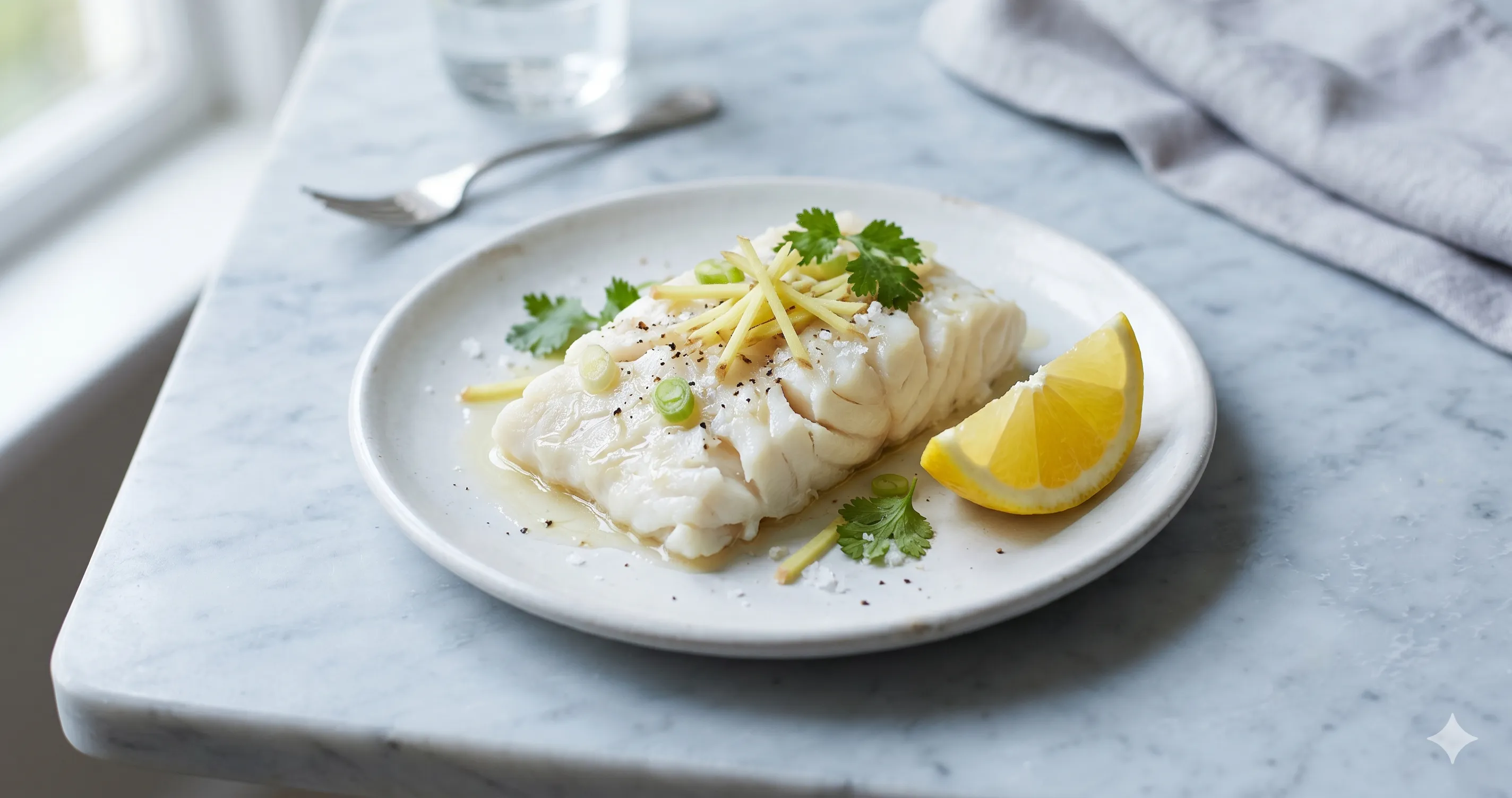
Best Fish for Ozempic & Wegovy Users: Protein, Texture & the Science
GLP-1 medications suppress appetite sharply — but protein needs do not decrease. Which fish species deliver the most protein per bite, in textures gentle on a slowed digestive system.
Nutrition
Best Fish for Muscle Gain: How 8 Common Species Compare (2026)
Eight common fish species compared on USDA-verified protein, leucine, EPA+DHA and natural creatine — inside the three conditions (total protein, training, energy balance) that actually determine muscle gain.
 Health
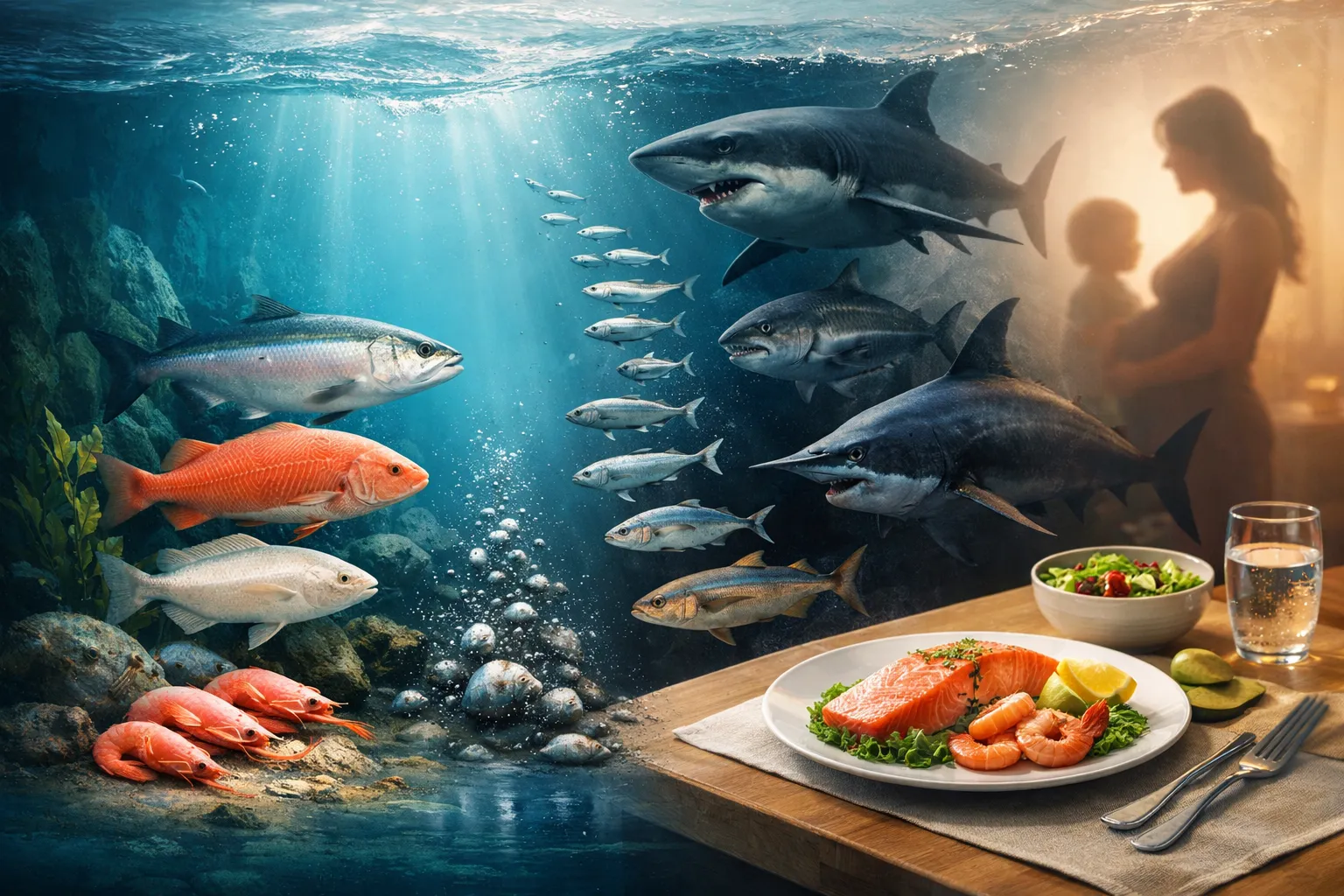
When Can Babies Eat Fish? (AAP 2019 + AAAAI 2021 Consensus)
AAP 4-6 month introduction window, allergy-prevention science (LEAP 2015), best first species, prep methods, age-by-age portions, allergy symptoms and cold-chain storage rules.
Health
Tuna in Pregnancy: How Much Is Safe? (FDA/EPA 2026 Guide)
Mercury difference between canned light, white (albacore), yellowfin and bigeye; FDA/EPA weekly limits; supermarket label-reading tips; sushi guidance; pediatric portions by age.
Food Safety
Mercury in Fish: Safe Species Selection for Pregnancy and Children (FDA/EPA Guide)
FDA/EPA data decoded by a professor. Which fish are safe during pregnancy? How much tuna is too much for kids? The Best-Good-Avoid chart with weekly portions.
Consumer Guide
The Complete Omega-3 Guide: What Your Body Does With It & How to Choose
$7.68B market, 45% are rancid, only 70% meet label claims. A professor explains the biology, the market, and the 7-point checklist.
 Circular Economy
From Trash to Treasure: The $37 Billion Fish Waste Revolution
70% of every fish is by-product. That by-product is now a $37.46B industry: collagen, omega-3, chitosan, biogas. 12 references from FAO, EU, Norway.
 Blue Food
The Blue Food Revolution: Why Aquatic Foods Are the Key to Feeding 10 Billion People
3.3 billion depend on blue foods. 166 million deficiencies preventable. 6x less carbon than beef. Stanford data + 10 references.
Analysis
Farmed vs Wild Fish: A Scientist's Honest Comparison
Neither side tells you the full story. FAO/WHO data, Nature Food studies, omega-3 myths, antibiotic truths, and a framework for buying smart.
Consumer Guide
How to Tell if Fish is Fresh: The Complete Scientific Guide
A professor who has spent 15 years studying fish freshness shares the 7-point scientific checklist. Eyes, gills, smell, skin, firmness - never buy bad fish again.
 Trend Report
Aquaculture 2026: 5 Trends Every Professional Should Watch
The $326B industry is transforming. AI feeding, RAS technology, alternative feeds, blockchain traceability, and functional seafood - with hard market data.
 Food Safety
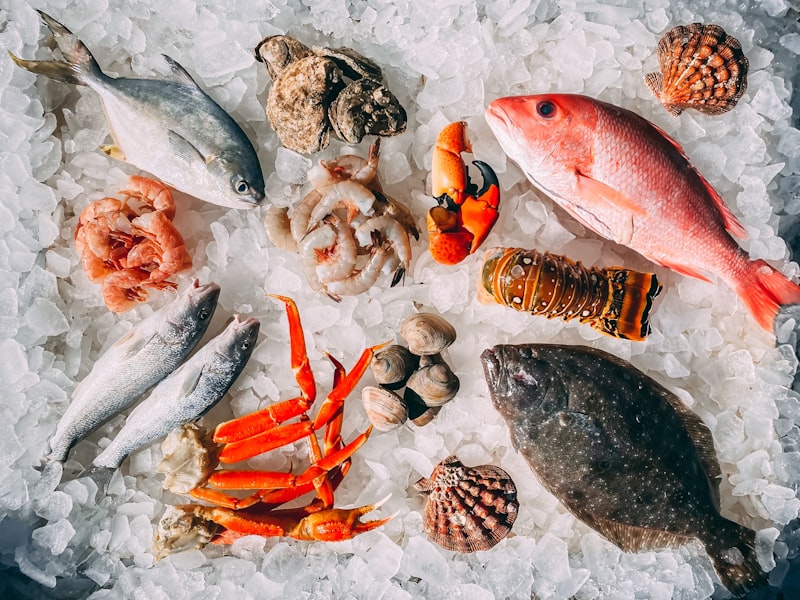
Microplastics in Seafood: What the Science Really Says
99% of seafood contains microplastics. Turkish consumers may ingest up to 10,000 particles per year. Here's what the data means - with 10 peer-reviewed references.
 Innovation
Our Invention Won a Gold Medal at ISIF 2024. Here's What It Actually Does.
From a university lab in New Zealand to an international gold medal -- the 12-year journey behind a patent that could change how the seafood industry evaluates freshness.
 Technology
What If You Could Check Fish Freshness With Your Phone? We're Building It.
The DENGiZ project is turning our gold medal-winning patent into a consumer app -- backed by TUBITAK funding and a partnership with Migros.
Technology
How AI is Revolutionizing Fish Farming: 2025 Outlook
From real-time water quality monitoring to predictive feeding algorithms, artificial intelligence is transforming aquaculture at an unprecedented pace.
Sustainability
Is Your Seafood Sustainable? A Scientist's Guide
Understanding certification labels, traceability systems, and what science tells us about making responsible seafood choices.
Innovation
From Lab to Market: Our Gold Medal Freshness Detection Patent
The story behind our ISIF 2024 gold medal-winning invention that uses digital analysis to determine seafood freshness.
Analysis
RAS vs Traditional Aquaculture: Which One Wins in 2025?
Recirculating Aquaculture Systems are a $4.69 billion market growing fast -- but are they always the better choice? A data-driven comparison.
Consumer Science
Omega-3: Separating Marketing Myths from Scientific Evidence
How much do you really need? Wild vs farmed? Supplements vs whole fish? A scientist's honest look at the evidence.
Sustainability
The Future of Fish Feed: Insects, Algae, and the End of Fishmeal
Feed is 50-70% of aquaculture costs. Insect protein, algae, and single-cell organisms are poised to replace unsustainable fishmeal.
 Technology
How Spectroscopy Catches Seafood Fraud: A Researcher's Perspective
Seafood fraud costs $23.5 billion globally. NIR, Raman, and SERS technologies are changing how we detect species substitution and origin fraud.
 Innovation
3D Printed Fish Products: Science Fiction or Tomorrow's Dinner?
From extruded salmon fillets to customized nutrition -- 3D food printing is arriving in the seafood space and connects to functional fish product innovation.